


Peace is something I think about daily. And more often than I’d like to admit, it has eluded me. I have sat with that discontent long enough to know it is not a passing mood but a kind of inner turmoil that returns until it is faced. Within each of us, though, lies the potential to unlock a deeper freedom than the one we chase through circumstance, a freedom that has nothing to do with how much noise the world throws at us. That’s easier said than done. It is a journey in its own right, and not a comfortable one. Life on this side of life is far from peaceful, and the world is in a dire state, largely because man has failed, again and again, to root himself in his spiritual nature.
When we look closely at the mind, we find it is not simply an organ carrying out functions. It is the powerhouse that shapes our reality. Put simply:
“Your mind is the psychological building blocks of your reality.” — Jock Brocas
Understanding true freedom begins with recognizing that it is not merely the absence of limitations. It is a dance between perception, expectation, and our inner landscape. When we free the mind from the shackles of societal pressure, we begin to see the world as it is, not as we were taught to interpret it. That shift builds the resilience and creativity we need to meet life’s adversities head-on.
I want to take a moment to remember, and to reignite what we already know exists within. Drawing from my own experience, and my own ongoing battle with inner peace, I want to walk through the complexities of freedom together: the interconnectedness of our thoughts, and how a compassionate understanding of our mental landscape can open the way to a more fulfilling existence. This is something I fight with every day. Even with a solid spiritual foundation, my own quest for inner peace can still feel elusive.
The search for inner peace

The quest for inner peace is a journey that begins and ends within us. It is the kind of inner freedom that can only be attained when we understand the power of the mind to create our reality, and to overcome adversity.
I often say that ‘experience trumps theory,’ and I have spent a great deal of time arguing with academics who build their understanding of life on theory and data alone. That includes the elusive search for peace. It’s a simple truth: peace comes not just from conquering external struggles, but from mastering the internal conversations that shape our responses to life’s challenges. Experience will always defeat theory, because experience is what the mind produces, and it is the mind that creates our reality. More on that later.
Personal freedom is also a conscious choice, but that choice never comes into existence without a deep sense of awareness first. We choose which thoughts to entertain and which to let go, and that choice is itself a form of self-empowerment, one that reflects our understanding of human nature and its capacity for resilience. Viktor Frankl, the psychiatrist who survived the concentration camps and went on to found logotherapy, exemplified this freedom of mind in the direst circumstances imaginable. If a man could locate that freedom there, the rest of us have no excuse.
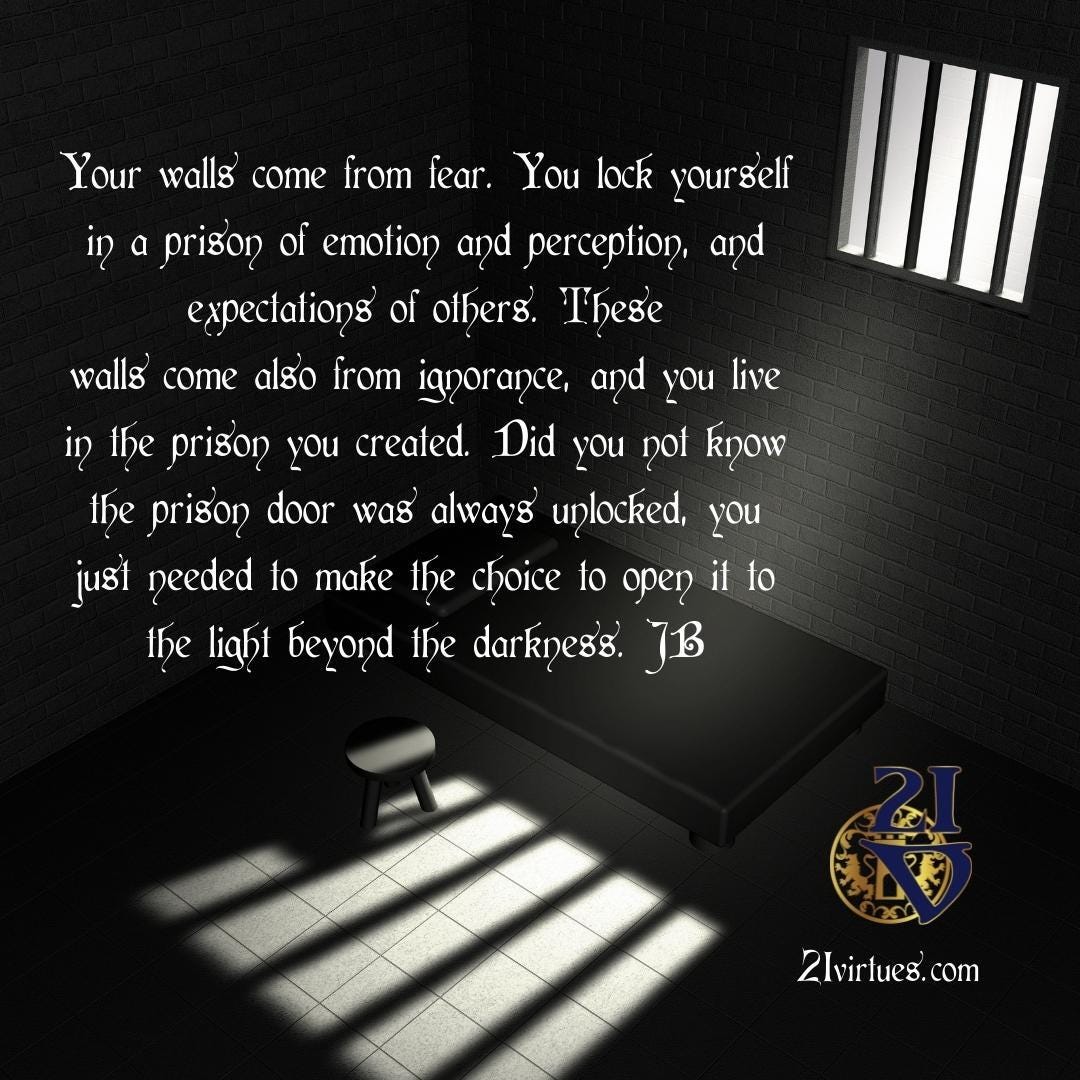
To achieve inner peace, we must face our fears head-on and reframe them as opportunities. It is not an easy path. It is a spiritual practice, one we must keep practicing until it becomes part of who we are. It requires us to break the shackles we create for ourselves, the prison we build with our own hands. That self-made prison has caused so much suffering, as we stare through its window longing to be free, never realizing we always held the key. The meaning of freedom, seen through this inner journey, is the ultimate liberation: an autonomy that carries with it real happiness and well-being. Paramhansa Yogananda summed it up best when he coined the phrase Self-Realization.
What is this freedom we chase?
True freedom emerges from within. It is a simple truth, often forgotten. This is the kind of freedom that transcends our tangible experiences, letting us embrace life’s ebb and flow without being burdened by our own preferences. A profound understanding of oneself and of human nature is the cornerstone of it. It is self-realization of who we are, in mind and in soul.
It is, therefore, a conscious process that follows awareness: an internal conversation that requires contemplation and the deliberate choice to observe and redirect our thoughts. That practice builds the resilience to meet all of life’s adversities with grace.
Key aspects of inner spiritual freedom:
Awareness: observing your own mental patterns closely enough to shape a better reality, rather than reacting blindly to the one thought has already built.
Acceptance: allowing whatever arises in thought to arise, without the added suffering of fighting it.
Choice: taking responsibility for selecting the action that transforms what is imagined into what is real.
Viktor Frankl illustrated, through his own experience, that even amid the harshest conditions, the dream of freedom burns on, fueled by the pursuit of meaning. That pursuit is where real happiness is found, because it recognizes that personal freedom, what philosophers call positive freedom, hinges on our attitude rather than our circumstances.
Freedom, then, is the power we hold as creators of our own lives, unchained from material perception and external expectation. It is through spiritual practice and self-inquiry that this freedom is achieved, and it blooms from the inside out, never the other way around.
The mind as the powerhouse of reality
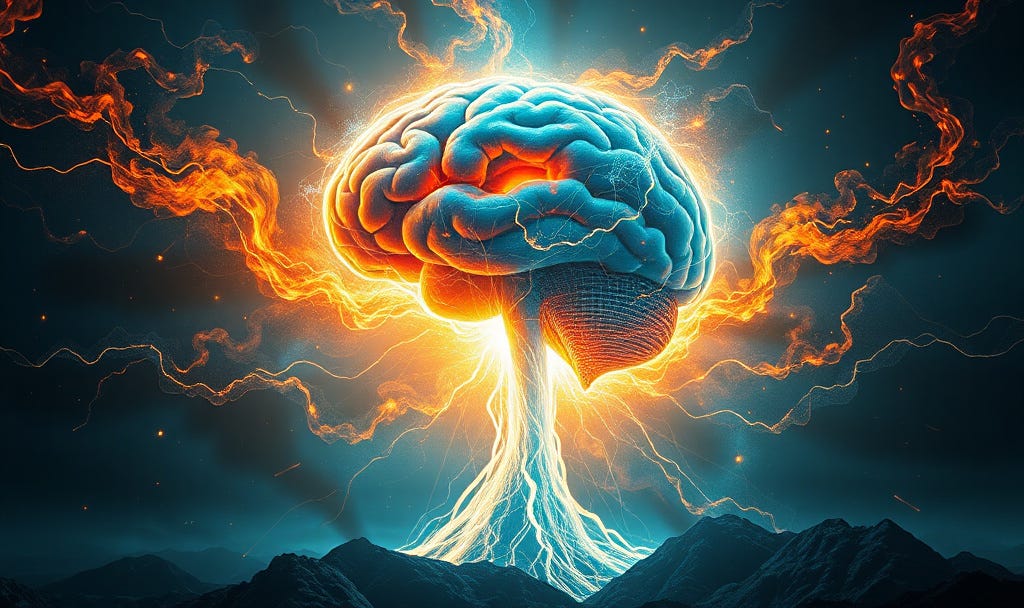
Our minds hold an incredible capacity to shape our reality and our sense of personal freedom. Every experience in our life, whether felt or directly tangible, comes from the mind. Everything that is created into existence begins as a thought, and it is mind that creates thought. Mind is not located in the brain. The brain is an expression of mind. It exists only because mind has given it expression.
Mind’s power lives in the space of silence, and silence itself is a great teacher. This is the seat of our intuition, the inner guidance that lets us experience consciousness and the power of choice. It answers to no circumstance.
The freedom we all dream of isn’t a destination. It’s a way of moving through life. By untangling ourselves from negative thought patterns and attachments, we move toward a freedom that illuminates our true self and ignites the creative force within us. This begins with understanding three simple truths, universal laws, principles of existence, if you will.
The Three Principles
To reach true freedom, we have to sit with the profound simplicity of the Three Principles: mind, consciousness, and thought. These were first articulated by a Scottish man named Sydney Banks, who brought them forth after his own awakening experience. They are the cornerstones for understanding personal freedom as an internal state, one capable of revolutionizing our existence.
Mind: the ultimate source of wisdom and creation, fueling our awareness of the world. Recognizing mind as the constant, yet immensely powerful, origin of reality is fundamental to personal transformation.
Consciousness: life’s way of experiencing the world, the manifestation of mind. It is how we experience being aware of self, and of life itself. Once we understand that our interpretation of life is made real through consciousness, we can choose the narrative that serves us, one that aligns with being free.
Thought: our internal conversations, the architects of our reality. Thoughts become things, and they are transient by nature, powerful building blocks of our reality and our experience.
Freedom, according to this simple truth, lives in our willingness to surrender to these three forces of human nature: mind, consciousness, and thought.
Perceptions and expectations
The path to true freedom is a profound exploration inward, far more than a quest for external liberties. It calls for a compassionate understanding that freedom comes from within, that we, as sentient beings, hold the power to rise above the weight of societal expectation and the rigid standards we so often impose on ourselves.
True freedom is not simply a matter of making choices in isolation. It is embracing the freedom that already resides in our mental and spiritual landscape. Through spiritual practice, and by tending to our internal conversations, we find our way to the kind of freedom that aligns with our human nature, one that brings genuine happiness and an authentic sense of self.
Interconnectedness
To move from awareness into the spiritual power that already exists within us, we have to become aware of the interconnectedness of all things. When I had my near-death experience, I felt this truth immediately, in being interconnected with everything that existed.
The essence of interconnectedness is the quiet realization that nothing is separate from anything else, animate or inanimate. The qualities in others that stir our aversion are often reflections of something in ourselves that still needs attention.
This awareness builds compassion, and it opens a path to a shared understanding of human nature that binds us in unity. We are more alike than we are different, and the same animating force that gives life exists in all things. Without it, we do not exist, and we cannot.
In our relentless pursuit of what we want, it is easy to overlook the present, a moment brimming with potential and simple truth. It is here, in the now, that we find real happiness, not in the external world, which shifts and sways outside our control.
Interconnectedness confirms that true freedom cannot be fettered by anything external. It is an ever-present spiritual practice, one that asks us to carry the weight of freedom by recognizing and tending to our internal reality. It is in that recognition that we dream of freedom, and more importantly, that we live it. The greatest freedom of all comes from serving others without condition, a truth Nelson Mandela captured better than most:
“For to be free is not merely to cast off one’s chains, but to live in a way that respects and enhances the freedom of others.”
Achieving freedom within
Spiritual practices, meditation, prayer, contemplation, selfless service, are the keys that unlock the door to freedom within. Freedom is rooted in spirituality, and without that root, no one truly feels free. These practices help us find stillness in the storm, freeing us from the mental chatter that so often binds us. In the silence of the mind lives the power of creation. That silence is where we experience a happiness that owes nothing to material possessions or outside validation.
Writing this reminds me of the power I already have to find peace within, because it was never out there to begin with. From my own thoughts comes the power to choose the experience that brings me inner peace, and all of it comes from within the spirit.
You have that same power. Real freedom comes from within, and it is from within that the mind creates your reality. The only question left is whether you’ll use it.
Thank you for reading Compass & Signal.